Selling Unused Medicines vs. Throwing Them Away: A First-Timer’s Routine
Last spring I cleared out my mother’s apartment after she moved into a smaller place, and the hallway closet held four shopping bags of sealed medicine boxes — some bought during the pandemic panic, some prescribed and then replaced with a different drug, some simply bought twice because nobody remembered what was already at home. My first instinct was to carry everything to the pharmacy bin for disposal. My second thought, after I lifted the bags and realized how much money was sitting there in blister packs, was to find out whether any of it could go back into circulation. That is how I ended up learning the routine I am describing here, and the short answer is this: yes, you can sell sealed, unexpired medicine in Russia, but only through a service that buys it back, checks it, and redistributes or disposes of it properly — and the whole thing starts with a photo, not a trip across town.
What selling unused medicine actually means in practice
When people say they want to продатьлекарствафонд, they usually picture a buyer who hands over cash for a bag of boxes. The reality is more structured. A medicine buyback fund works as an intermediary: it evaluates what you have, decides whether the items are eligible, and then either resells them through legal channels or sends them for safe disposal. You are not selling to a random person on a classifieds site, and that distinction matters more than most first-timers realize.
The reason is simple. Medicines are not ordinary goods. They have expiry dates, storage requirements, batch numbers, and in many cases prescription status. A private buyer cannot verify any of that, which is why informal resale of medicine is a bad idea on both sides. A fund that specializes in buyback has the paperwork, the storage, and the procedures to handle it correctly. For you as the seller, that means the transaction is documented, the evaluation is done by someone who knows what they are looking at, and you are not left wondering whether you just handed controlled substances to a stranger.
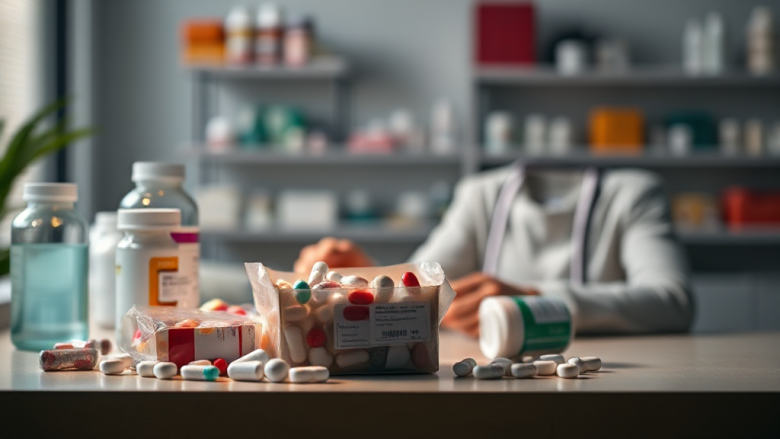
The other thing I learned early: not everything qualifies. Opened bottles, loose tablets in a blister without the outer box, anything past its expiry date, and items that need cold-chain storage are typically out. What qualifies is sealed, undamaged packaging with a readable batch number and a reasonable remaining shelf life. That is the category worth photographing and sending in.
My actual routine, from closet to courier
Here is the sequence I follow now, and it has not changed much across three separate clear-outs.
Step one: sort on the floor, not in your hands. I empty everything onto a clean surface and make three piles — sealed and in date, sealed but expiring within a few months, and everything else. The third pile goes straight to disposal. The first two are the ones I photograph. Doing this on the floor rather than while standing at a shelf saves time because you can see the whole inventory at once and you stop second-guessing individual boxes.
Step two: photograph each item properly. This is the part people rush, and it is the part that determines whether you get a useful offer. I take one photo per box, straight on, with the front face filling most of the frame. The name of the drug, the dosage, the number of tablets, and the expiry date all need to be legible. I take a second photo of the side panel where the batch number is printed. Good light, no flash glare, no fingers over the text. If the box is reflective, I tilt it slightly. Ten boxes take me about four minutes now.
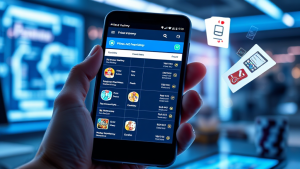
Step three: send the photos for a preliminary estimate. This is where the fund comes in. You send the images through a messenger — WhatsApp, Telegram, or MAX — and you get back a preliminary assessment of what is eligible and roughly what it is worth. I have done this with a single photo batch and gotten a reply the same day. The estimate is preliminary because nobody can confirm the contents from a picture, but it is enough to tell you whether the trip is worth making.
Step four: agree on handover. Once the preliminary estimate looks reasonable, you agree on how the physical items get to the fund. Depending on where you are, that may be a courier pickup, a drop-off point, or a shipping arrangement. The fund confirms the final price after it physically inspects the packaging, because that is the only way to verify the batch and the seal.
Step five: get paid and keep the record. Payment comes after inspection, not before. I keep a simple list — drug name, quantity, agreed price — because if you are clearing out a relative’s apartment across multiple sessions, it is easy to lose track of what you already sent.
The whole routine, from first photo to payment, took me nine days on my first attempt and four days on my third. Most of that difference was me being more organized about the photos.
What determines whether your medicine is accepted and what it is worth
Price is the question everyone asks, and the honest answer is that it depends on factors you can mostly control before you send anything.
Packaging integrity. A sealed box with intact foil and an unbroken seal is worth far more than the same drug in a torn carton. If the seal is compromised, the item is generally not eligible for resale at all, regardless of how full it looks.
Remaining shelf life. The longer the remaining validity, the better the offer. Items with only a couple of months left are often accepted only for redistribution to situations where they will be used immediately, or they are routed to disposal. This is not the fund being difficult; it is basic logistics.
Demand for that specific drug. Common chronic-illness medications, standard antibiotics, and widely used cardiovascular drugs move faster than niche or highly specialized products. A box that has been sitting in a closet for two years may still be in demand if it is a common drug; a rare one may not be, even if it is perfectly sealed.
Batch traceability. If the batch number is smudged or the label is damaged, the item usually cannot be verified and therefore cannot be resold. This is why the side-panel photo matters as much as the front photo.
Storage history. Medicine that has been kept in a hot car, a damp basement, or direct sunlight is a risk even if the box looks fine. Be honest about where it was stored, because a fund that discovers a storage problem after the fact will simply reject the batch, and you will have wasted the shipping.
One practical note on volume: pharmacies and clinics with surplus stock are usually handled differently from private individuals. If you are clearing out an institution rather than a household, say so at the first contact, because the evaluation and logistics are scaled accordingly.
It also helps to understand where your medicine goes after it leaves your hands. Some of it is redistributed to people who need it but cannot easily afford it. Some is sold through legal pharmaceutical trading channels. Anything that cannot be safely reused goes to proper disposal rather than a landfill. That last point is what convinced me to stop using the pharmacy bin for everything — the bin is fine for opened or expired items, but sealed, in-date medicine has a better path.
Mistakes I made the first time, so you do not have to
My first attempt was inefficient in ways that cost me money and time.
I photographed boxes on a dark kitchen table at night, and half the expiry dates were unreadable. I had to redo the entire batch. Take the photos in daylight, near a window, and check each one on your phone screen before you send it.
I mixed opened and sealed items in the same batch, which slowed down the evaluation because the reviewer had to ask me to clarify which was which. Keep the piles separate from the start.
I assumed the preliminary estimate was the final price. It is not, and it is not meant to be. Treat it as a filter: it tells you whether to proceed, not what you will ultimately receive.
I also waited too long. Some of the boxes I set aside in the first session expired while I was still deciding what to do with them. If you have already made the decision to sell, do the photos the same week. Shelf life is the one thing you cannot get back.
Finally, I did not ask about the handover method until after the estimate, which meant I had mentally committed before knowing whether pickup was even available in my area. Ask that question in the first message. It takes one sentence and saves a lot of back-and-forth.
If you are doing this for the first time, the order that works is: sort, photograph, send, confirm logistics, hand over, get paid. Everything else is detail. The reason I keep using a fund rather than trying to sell privately is that the fund absorbs the parts I am not qualified to do — verification, storage, legal resale — and leaves me with the part I can actually manage, which is taking a decent photo of a box.
Часто задаваемые вопросы
Can I sell medicine that has already been opened?
No. Opened packaging, loose tablets, and broken seals are not eligible for resale because the contents can no longer be verified. These items should go to standard medicine disposal instead.
How do I get a preliminary estimate without leaving my home?
You photograph the sealed boxes — front face and side panel — and send the images through WhatsApp, Telegram, or MAX. The estimate comes back based on those photos, before any physical handover takes place.
Is the preliminary estimate the final price?
No. It is an indication of eligibility and rough value. The final price is confirmed only after the fund physically inspects the packaging and verifies the batch number and seal.
What happens to medicine that cannot be resold?
It is routed to proper disposal rather than being resold or discarded informally. Items that can be safely reused may be redistributed or moved through legal pharmaceutical trading channels.
Do pharmacies and clinics use the same process as individuals?
The evaluation principle is the same, but the logistics and volume handling differ. Institutions with surplus stock should mention their situation at first contact so the process can be scaled appropriately.